
Writing a cover letter with no work experience feels like a catch-22: you need the job to get experience, but you need experience to get the job. The way out is to stop apologising for what you don't have and lead with what you do — coursework, volunteering, projects, the skills behind them. A good cover letter can carry an application that a thin resume can't. Here's how to write one, with examples. You can also start from a draft with our free cover letter generator.
Lead with what you do have
No job history doesn't mean no experience. School projects, volunteering, clubs, and side projects all build real skills — teamwork, organisation, problem-solving — and they belong in your letter. The trick is to name the skill and point to where you used it.
| Where it came from | Skills it shows |
|---|---|
| School projects | Teamwork, communication |
| Volunteer work | Leadership, problem-solving |
| Clubs and activities | Organisation, initiative |
| Courses and certifications | Knowledge, commitment |
If you finished a relevant course or earned a certificate, say so. It shows you're not just willing to work but actively building toward this kind of role.
How to structure it
Contact details and greeting
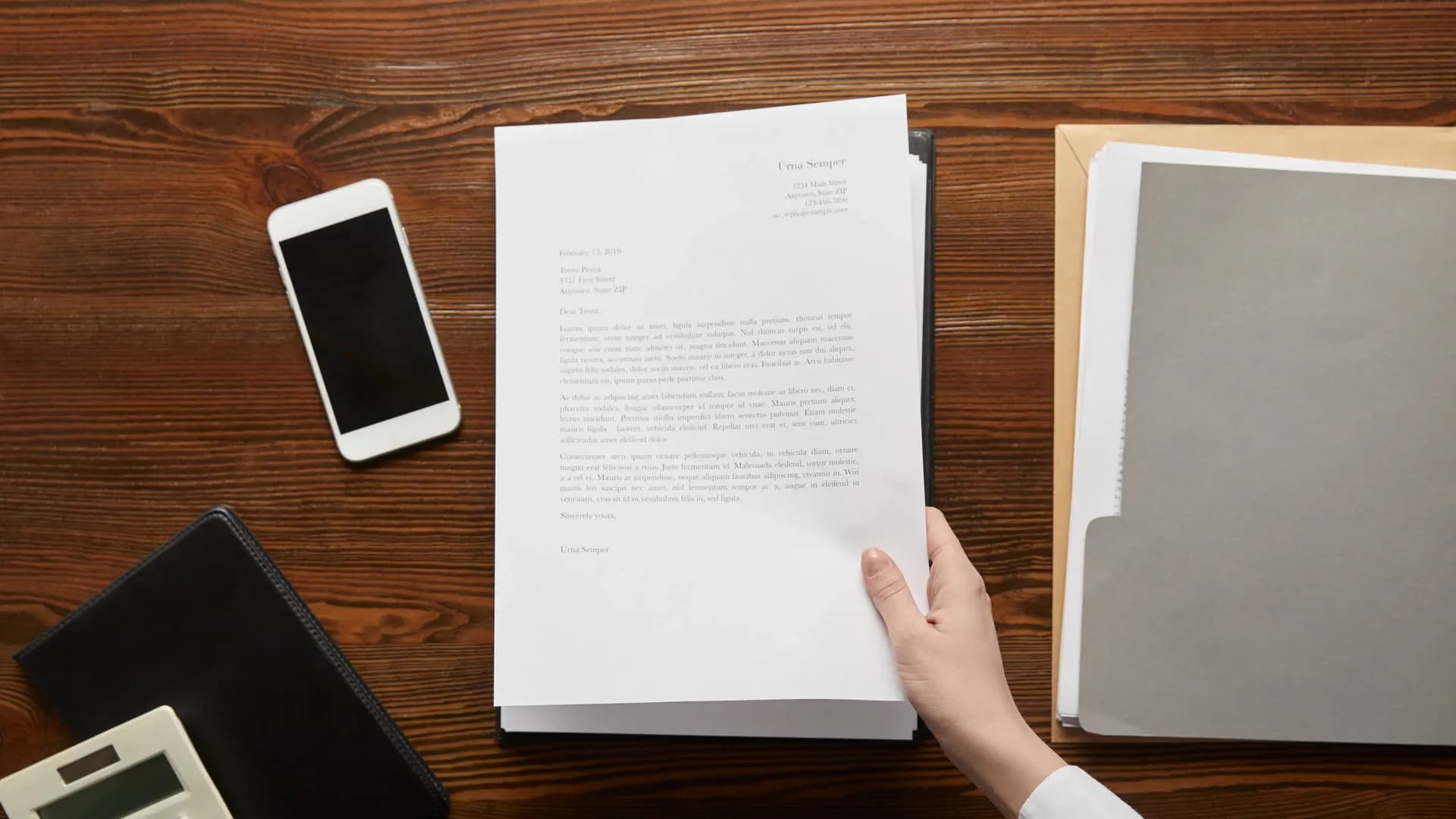
Start with your contact details at the top — name, phone, email, and a LinkedIn profile if you have one — then the date and the recipient's details. Open with a named greeting where you can: "Dear Ms. Smith" beats "Dear Hiring Manager" and shows you did the work to find out.
Transferable skills, with examples
Shift the focus to the skills that transfer. Employers value communication, adaptability, teamwork, and a strong work ethic regardless of where you learned them. Show them rather than claim them:
- "Leading my university group project, I organised the workload and kept the team on schedule."
- "Volunteering at a local charity, I helped run fundraising events, which meant keeping a lot of moving parts in order."
Keep the whole thing to one page, in a clean font with standard margins. For the full layout, see our guide to making a cover letter.
Match the job description
Read the posting closely — it's a list of exactly what they want. Build your letter around those points. You don't need to have held the same role; you need to show you can meet what it asks for, using the experience you have.
| What they ask for | What you can point to |
|---|---|
| Strong communicator | Led presentations on school team projects |
| Works well under pressure | Kept grades up while volunteering on weekends |
| Team player | Delivered a group assignment during an internship |
Research the company
Do a little homework before you write. Knowing what the company cares about lets you show you'd fit, and employers hire for fit as much as for skills (Seek). In the letter, you might mention something recent they did that caught your interest, or connect your own goals to their mission. That turns your letter from another resume into a reason to talk.

Show genuine enthusiasm
When you're short on experience, real enthusiasm is an asset, not a consolation prize. Employers like people who want to learn and take things on. Let it show:
- "I'm excited about the chance to join your team."
- "I'm keen to take on the challenges this role involves."
- "This role lines up with my interest in [specific area]."
“Showing excitement for tackling challenges and the readiness to grow in new roles is key in a cover letter when you’re just starting out.”
Use concrete examples
Back every claim with something specific. If you're light on professional experience, draw on school, volunteering, or internships — it's the most convincing way to show what you can do:
- "At [school/program], I ran a project that needed [skill], which sharpened my [quality]."
- "Volunteering with [organisation], I developed [skill] that fits this role directly."
- "Studying [subject] gave me a head start on [task or responsibility]."
| Strength | Example |
|---|---|
| Strong work ethic | Led a team project under a tight deadline |
| Adaptable | Juggled responsibilities across school and an internship |
| Technical skill | Used the specific software named in the job ad |
“Mention relevant experiences or achievements that match the job, no matter where they came from.”
Close by inviting a conversation — say you'd welcome the chance to discuss how your skills and enthusiasm fit. Do all this and you'll read as a strong candidate even without a long resume. When you're ready, our free cover letter generator can draft it for you.